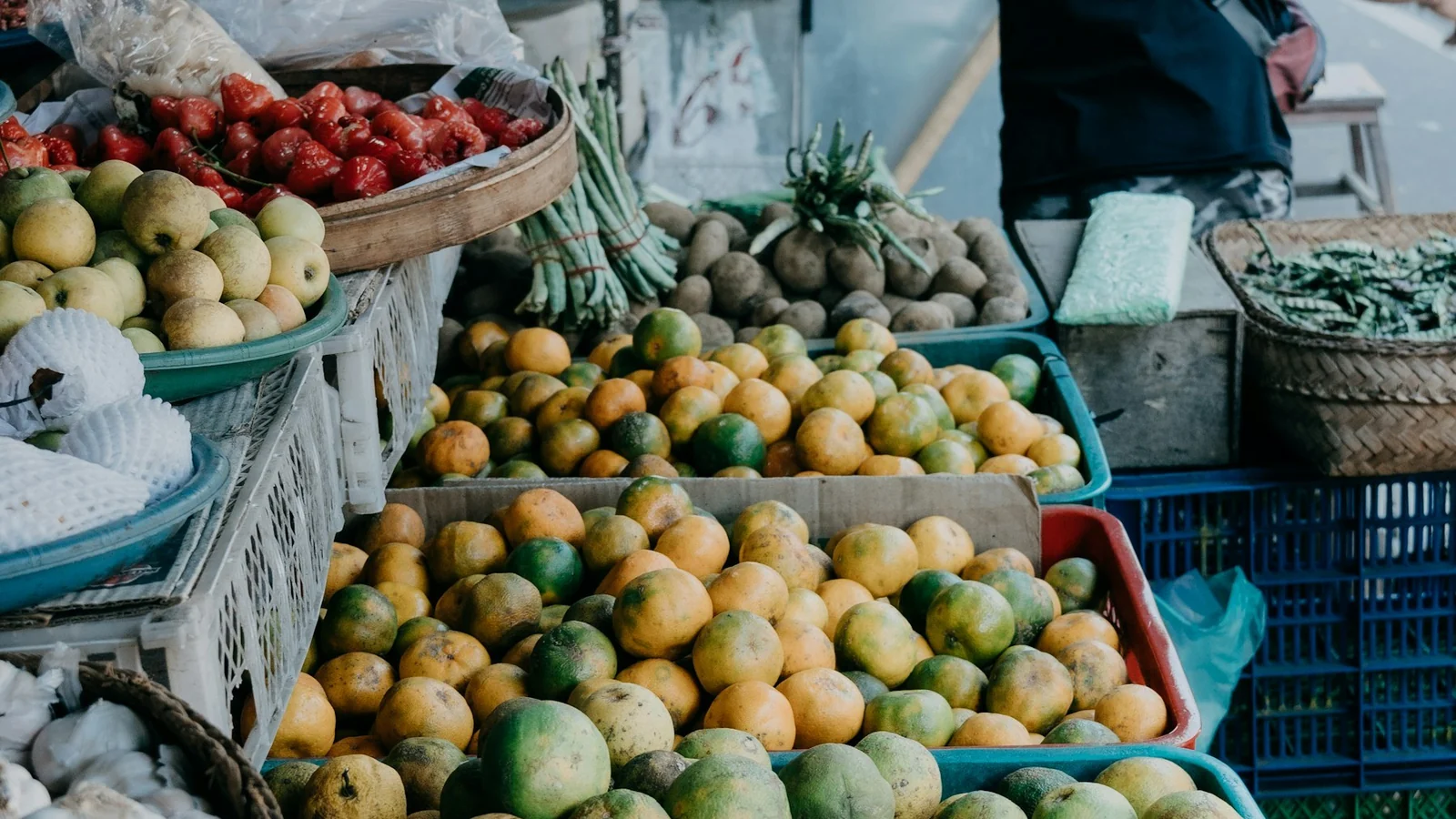
Bali’s official 2025 survey found average monthly consumption of Rp2,192,171 per person in urban areas and Rp1,329,881 in rural areas. The province-wide figure was Rp1,964,618. These are real measured spending amounts, but not an offer to rent a room or a promise that a new foreign resident can live for that sum. A holiday villa near Canggu, a rented room in Denpasar and a family's house outside Ubud are different arrangements.
You can learn more than a vague “Bali is cheap or expensive” claim from the published breakdown. The same survey found Rp669,668 per urban resident per month for housing and household facilities, versus Rp359,590 in rural areas. That category includes several household costs: it does not mean the average advertised rent in either location. The numbers below explain what a real household budget includes—and which cash obligations arise separately when someone arrives.
What local residents spent, not what tourists were quoted
Statistics Indonesia's Bali office uses the March 2025 National Socioeconomic Survey (Susenas) for these monthly per-person consumption figures. A person's share of food and household use is not the same as a newly signed lease, a wage requirement, an advertised room rate or a one-month tourist itinerary.
Urban Bali: Rp891,615 for food plus Rp1,300,556 for non-food items = Rp2,192,171 per person per month. These are measured averages of the people covered by the survey, not one required shopping basket.
Rural Bali: Rp647,560 for food plus Rp682,321 for non-food items = Rp1,329,881. The difference from the urban survey average is Rp862,290 per person a month. This is a comparison of populations in different locations and circumstances, not a savings guarantee from moving a particular villa inland.
All Bali residents surveyed: Rp827,210 for food and Rp1,137,408 for non-food, totalling Rp1,964,618 per person per month. The province-wide average is not an average of tourist prices in Kuta, Canggu, Ubud or Sanur.
A particularly useful detail is what is hidden inside the categories. Prepared food and beverages accounted for Rp358,372 per person monthly in urban areas against Rp193,034 in rural areas. The published housing and household facilities category was Rp669,668 urban against Rp359,590 rural, a difference of Rp310,078. These figures describe what was consumed or allocated by residents. They do not prove that an identical villa costs Rp310,078 more in one area, or that a traveller can buy all meals for Rp358,372 per month.
The larger spending level in urban Bali could reflect different prices, lifestyles, household structures and goods consumed. It does not by itself identify any one cause. A visitor paying nightly tourist rates may be in an entirely different price segment from surveyed residents.
Electricity for a home with air conditioning
Electricity is one bill where an operator publishes a unit price rather than a fictional island-wide total. In its 2026 prepaid electricity explanation, state utility PLN describes Rp1,444.70 per kilowatt-hour (kWh) for a non-subsidized 1,300-VA domestic connection. The operator's tariff schedule shows this tariff for the relevant non-subsidized household category; your rental may have a different meter class, tariff or billing arrangement.
At the stated tariff, a home consuming 150 kWh in a month would have a basic energy component of Rp216,705. At 300 kWh, twice the assumed electricity use produces Rp433,410. These are worked usage examples, not measured average air-conditioner consumption in Bali. The Rp216,705 difference between the examples shows why a long-stay air-conditioned unit can cost differently to operate even when both advertised rents look similar.
Prepaid electricity tokens do not convert every rupiah of purchase value directly into power. PLN's official example says a Rp100,000 purchase for an eligible 1,300-VA meter can yield about 63–65 kWh after applicable deductions. Local street-lighting tax and fees can affect the credit; some accommodation bundles electricity into the rate or bills tenants separately. Do not add this illustrative electricity total to a BPS consumption average and call that a complete living budget, because consumption surveys already contain household spending.
A foreign tourist may owe Rp150,000 on arrival—not every foreign resident
The provincial government's official Love Bali FAQ says the foreign-tourist levy is Rp150,000 per person, generally once during the relevant Bali trip rather than a charge for every hotel night or every month. It is a separate payment from immigration visa fees, made electronically, with a QR-code receipt. It can be paid in the Love Bali system before departure or by permitted cashless channels during arrival or travel.
The distinction between tourist and resident matters. The same official FAQ states exemptions for certain categories, including KITAS temporary-stay and KITAP permanent-stay permit holders, some student and family-unification visas, diplomatic/official visas and transport crew. Holders of golden visas and certain other visa categories may need to apply for an exemption and obtain approval through Love Bali rather than assuming a waiver is automatic. A person who merely stays a long time in a tourist status is not automatically exempt.
For two non-exempt foreign tourists, 2 × Rp150,000 = Rp300,000 in visitor levies. For a KITAS holder who satisfies the published exemption rules, that particular tourist charge is not the same cash obligation. Neither scenario establishes a monthly accommodation price or grants a visa. The payment and exemption rules are linked on the official page so readers can distinguish their own legal status.
Bali's 2026 inflation is not a villa-price change
In its 1 October 2026 release, the provincial statistics office reported 3.79% year-on-year inflation for Bali in September 2026 and 0.32% month-on-month. The same district CPI series recorded 3.42% year-on-year for Denpasar, compared with 3.95% for Badung Regency in September. These are measured consumer price index changes, not claims that every rental increased by exactly 3.79% or that all prices rose by that amount.
The distinction matters for long stays: a consumer price index is a weighted basket, while a Canggu short-stay villa might follow tourism seasons, occupancy and a landlord's contract rather than the provincial CPI. The survey's 2025 spending average must not be inflated by 3.79% and labelled a verified October 2026 foreigner's budget.
How two people use these figures differently
A foreign visitor coming for a two-week holiday learns one certain extra cash item: if the tourist levy applies, it is Rp150,000 per person for the Bali trip, or Rp300,000 for two eligible foreign tourists. This does not buy accommodation or replace a visa. The person's nightly hotel price and airport transfer remain separate, and a 2025 resident survey cannot set those costs.
A worker who actually lives in Bali can use the Rp2,192,171 urban average to understand residents' recorded consumption, but cannot assume it is what a furnished long-term rental in Denpasar will cost. If a property has the illustrated non-subsidized 1,300-VA meter, 150 vs 300 kWh changes the basic energy component by Rp216,705. A worker with a qualifying KITAS would not budget the ordinary foreign-tourist levy as a monthly bill. To know the cash needed before moving into any one home, the missing terms are the actual written deposit, advance rent, utility billing and management charges; the source-based examples here have deliberately not invented them.
The practical result: You now know actual 2025 Bali consumption amounts by urban/rural residence and spending type, an electricity tariff with worked use cases, the current tourist levy and exemption distinctions, and what September 2026 inflation really measures. None of those figures, by itself, is a verified current rent for Canggu, Ubud or Sanur. That limitation is precisely why a responsible Bali guide should not advertise an unsupported all-in “digital nomad monthly cost.”